Fotona Laser Treatments for Busy Professionals
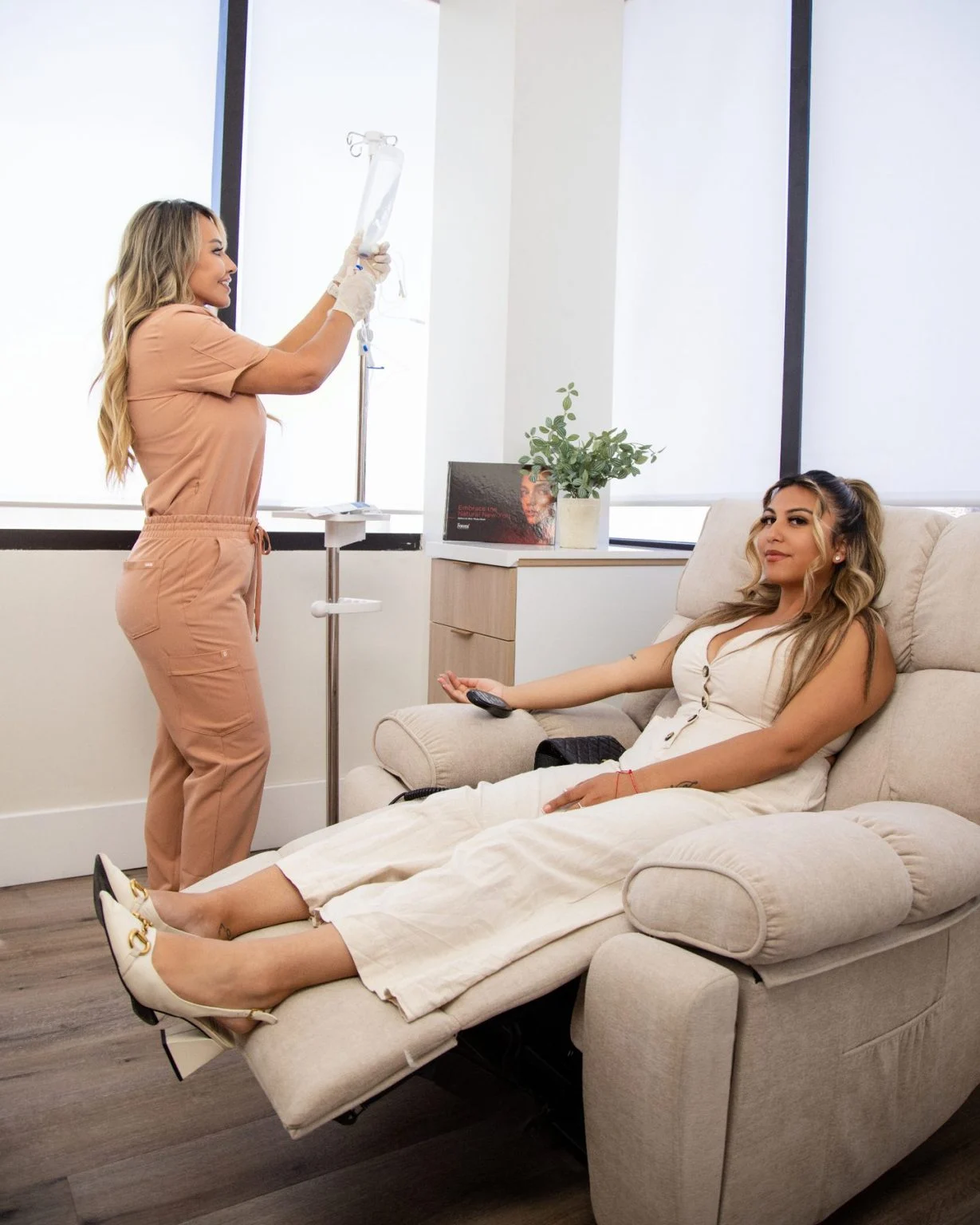
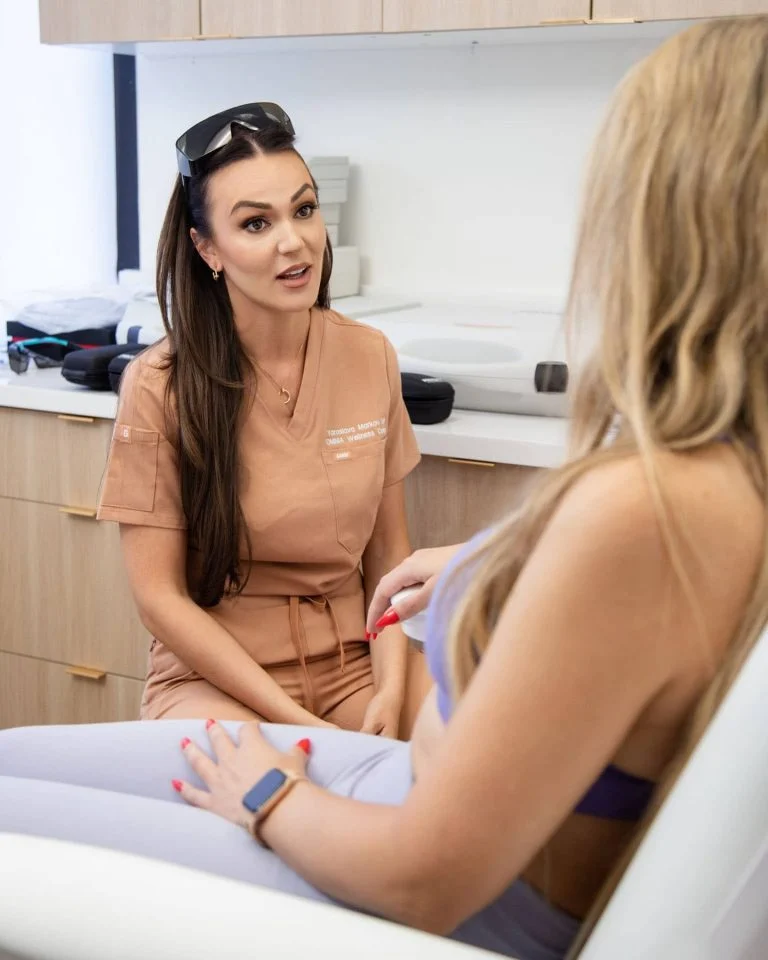
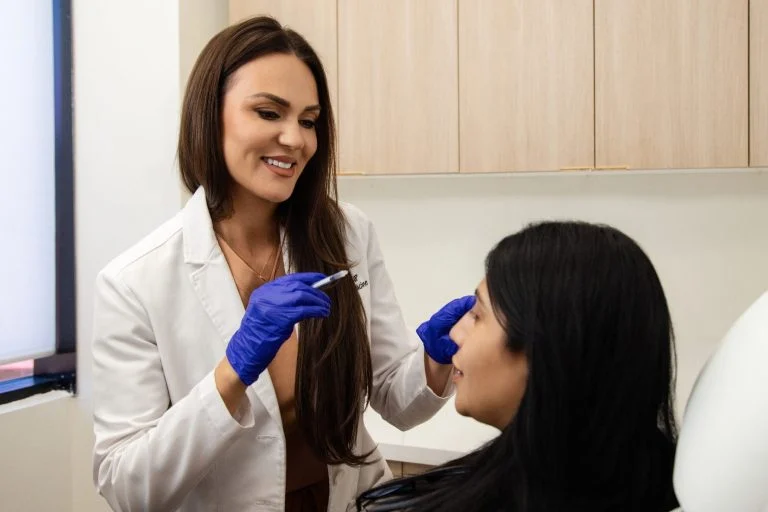
Time is the real luxury in aesthetic medicine. Most professionals I meet are not looking for dramatic reinvention. They want fresher skin, better texture, a healthier glow, maybe a softer jawline or reduced acne scarring, but they need treatments that can fit between early meetings, school pickups, flights, client dinners, and the low-grade exhaustion that comes with keeping too many moving parts in motion.
That is where Fotona Laser Treatments often enter the conversation. Not because they promise magic, and certainly not because every Fotona protocol is quick or downtime-free, but because the platform is versatile. It gives experienced providers room to tailor treatment depth, intensity, and recovery time in a way that suits real schedules. For busy professionals, that flexibility matters as much as the technology itself.
The challenge is that “Fotona” gets used as shorthand for a wide range of laser procedures. Some are lunchtime-adjacent. Some are not. Some are best for maintenance. Others are better when you finally have a long weekend and the willingness to look a little rough for a few days. Understanding that distinction can save both money and disappointment.
Why Fotona has become a practical option for working adults
Fotona is a laser platform, not a single one-size-fits-all treatment. Depending on the handpiece, settings, and clinical goal, it can be used for concerns that include pigmentation, acne, vascular redness, texture irregularity, skin laxity, scarring, and even certain gynecological and dental applications in other contexts. In aesthetic practice, the appeal usually comes down to one central strength: customization.
A lawyer preparing for trial does not have the same tolerance for visible downtime as a surgeon who can wear a mask for part of the day, or a remote tech executive whose camera angle and lighting can conceal mild redness. A sales director who spends half the month on airplanes may want shorter, spaced-out sessions rather than one aggressive resurfacing treatment. Fotona systems allow providers to work within those boundaries, if they understand both the device and the patient in front of them.
I have seen the best results when expectations are set by calendar first, vanity second. That sounds less glamorous than talking about collagen remodeling, but it is often the smarter starting point. If someone cannot afford three to five days of social downtime, there is no sense planning an aggressive protocol that leaves them puffy, flaky, and annoyed. A good clinician will ask not only what you want to fix, but when you need to look presentation-ready.
The broad appeal of Fotona Laser Treatments
There is a practical reason these treatments tend to attract professionals in their thirties, forties, and fifties. Many of them are in the “not enough for surgery, more than I can ignore” stage. Skin may still have decent elasticity, but tone is uneven. Pores look larger than they used to. Acne scars seem more obvious under office lighting. The lower face may be softening just enough to bother you on video calls. Fotona can address several of these issues with varying degrees of intensity.
For skin rejuvenation, non-ablative options can stimulate collagen with relatively light downtime. For patients willing to tolerate more recovery, more intensive resurfacing settings can improve texture, fine lines, and scars more meaningfully. There are also protocols that combine internal and external tissue heating for tightening, which appeals to people who want incremental lifting without surgery.
The keyword here is incremental. Busy professionals often do best with treatments that stack over time. One session can help, but a thoughtful series usually produces the steadier, more believable kind of improvement that colleagues notice without being able to identify why. That is often the sweet spot. Looking rested is easier to live with than looking freshly “done.”
The time question, which matters more than most clinics admit
One of the biggest mistakes in cosmetic marketing is collapsing treatment time and downtime into the same thing. A clinic might say a session takes 30 to 45 minutes, which may be true, but that tells you almost nothing about whether you can go straight back to work, attend a dinner that evening, or be photographed the next morning.
With Fotona Laser Treatments, recovery depends on the protocol. A lighter treatment for collagen stimulation or mild redness may leave you pink for several hours or a day. Makeup may be possible relatively quickly. A more aggressive resurfacing treatment can mean heat, swelling, dryness, bronzing, or peeling over several days. For deeper treatments, the calendar impact is very real, even if it is still less than surgery.
Professionals tend to tolerate treatment well when they know the trade clearly in advance. They become frustrated when they are told “minimal downtime” and discover that their skin looks windburned, tight, or scaly right before a board presentation. I always think downtime should be described in plain language. Can you go to work? Can you be on camera? Will people notice? Will makeup help or make it worse? Those are the questions people actually need answered.
What busy professionals usually want to treat
Patterns repeat across industries. The specific language changes, but the concerns are familiar. People in client-facing roles often focus on dullness, fine lines, and facial redness because these are what show up under bright office lights and high-definition video. Frequent travelers talk about dehydration, blotchy pigmentation, and a tired overall look. Younger professionals with acne history often ask about scarring and post-inflammatory marks, especially if they are stepping into more visible leadership roles.
Then there is the “Zoom effect,” which did not vanish when remote meetings became routine. Cameras flatten facial contours but exaggerate certain skin issues. Under-eye hollowing, uneven texture, lower face heaviness, and erythema can feel more obvious on screen than in person. Fotona protocols that gently tighten, brighten, or smooth can be useful here, especially for people who want something more active than facials but less disruptive than surgery or deep ablative resurfacing.
There is also a psychological factor that should not be ignored. Busy professionals often prefer treatments that feel purposeful and structured. They like a plan. They want to know what problem is being targeted, how many sessions are likely, what kind of recovery to expect, and what outcome is realistic within a quarter, not a fantasy “someday.”
Choosing the right protocol when your schedule is tight
The best treatment is not always the most powerful one. It is the one you can complete properly. In practice, that means the right Fotona approach depends on a few overlapping realities:
- the main concern, such as pigment, texture, acne scars, laxity, or redness
- your downtime tolerance, measured in visible days, not marketing language
- your work format, whether that means office-based, remote, travel-heavy, or public-facing
- your appetite for gradual improvement versus a stronger single intervention
- your willingness to follow aftercare, especially sun protection and skin barrier support
This sounds obvious, but many poor outcomes are simply planning errors. A person with severe acne scarring who chooses only no-downtime treatments may end up disappointed because the protocol was too gentle for the problem. On the other hand, someone chasing mild refinement with an overly aggressive resurfacing treatment may feel they paid too high a social price for a subtle gain.
I remember one executive who insisted on booking treatment the day before an annual investor event because it was the only free afternoon in her calendar. On paper, the timing looked convenient. In reality, even moderate swelling would have been a problem. We pushed the session back by ten days, adjusted the protocol, and got a better result with far less stress. Aesthetic planning is often less about bravery and more about timing.
What treatment day actually feels like
Patient experience varies by protocol, treatment area, and pain tolerance, but most Fotona sessions are tolerable when done properly. Some feel like repeated hot snaps, prickling heat, or quick rubber-band flicks. Others create a deeper, more diffuse warmth. Topical numbing may be used for certain resurfacing treatments, though not always for lighter protocols. Eye protection is mandatory, and the room setup tends to be efficient rather than spa-like. This is laser medicine, not a scented candle experience.
Afterward, the skin may feel warm, tight, and flushed, almost like a brisk day in the sun, depending on intensity. With stronger settings, swelling can build over the first 24 hours, especially around the eyes. Bronzing or a grid-like texture can show up later in the healing phase in some resurfacing protocols. If you are the sort of person who prefers to know every step in advance, ask your provider to show you photos of day one, day three, and day five recovery for the exact treatment they are proposing. That request is completely reasonable.
The immediate post-treatment period matters more than many people think. If you have a stressful commute, need to put on a tight N95 for hours, or plan to run straight into a long dinner service, you should account for that. Friction, heat, and dehydration can make the first day feel worse.
Where Fotona fits compared with other options
Fotona is not the answer to every aesthetic concern, and busy professionals tend to benefit when comparisons are honest. If the main issue is dynamic wrinkles from muscle movement, neuromodulators may be more efficient. If volume loss is the dominant problem, filler or biostimulatory injectables may play a larger role. If there is significant skin laxity, surgery still outperforms non-surgical tightening in a different league altogether.
What Fotona often does well is improve skin quality. That phrase gets overused, but it remains useful. Better texture, more even tone, reduced pore visibility, modest tightening, and softened superficial lines can create https://zandervfyu189.talesignal.com/posts/fotona-laser-treatments-for-mature-skin-what-to-know a meaningful shift in overall appearance. For many professionals, that is precisely the goal. They do not want to look ten years younger. They want to look less depleted.
There are limits, though. Deep etched lines may soften but not disappear. Advanced jowling will not be erased by laser alone. Melasma requires caution because heat can sometimes aggravate pigment in susceptible patients. Darker skin tones may need a more conservative strategy depending on the indication, the settings, and the provider’s experience. Anyone promising a universal fix is selling confidence, not judgment.
The hidden variable is provider skill
A sophisticated laser in inexperienced hands is still a risk. This matters with any energy-based device, but especially with a platform as versatile as Fotona. Outcomes depend on selecting the right indication, depth, pulse parameters, treatment density, and spacing. It is easy to underestimate how much the operator influences both results and recovery.
Busy professionals are often efficient shoppers. They compare websites, look at before-and-after galleries, read reviews, and ask what package is available. That is understandable, but laser treatment is one area where a bargain can become expensive quickly. Poorly chosen settings can lead to prolonged redness, post-inflammatory hyperpigmentation, missed expectations, or simply money spent on a protocol that was never likely to help much.
A useful consultation is specific. The provider should explain why they are choosing a given Fotona mode, what alternative options exist, how many sessions they expect, and what they would do if your skin does not respond as hoped. Vague enthusiasm is not enough. You want technical confidence translated into plain language.
Scheduling around work without sabotaging the result
There is an art to fitting aesthetic treatment into a demanding calendar. The people who do best usually treat it like any other professional project. They choose a realistic window, set expectations with themselves, and avoid squeezing appointments into chaotic weeks.
Here is the short version I give to people trying to make laser treatment work with a full schedule:
- book around your most visible commitments, not around your first open slot
- avoid treatment just before major travel, especially long flights or sun-heavy trips
- plan for at least one low-key day afterward, even if you are told downtime is minimal
- do not start a new active skincare routine right before or right after treatment
- keep your follow-up appointment, because adjustment after the first session is often where the plan gets smarter
Friday appointments are popular for obvious reasons, though not always ideal for everyone. If you have young children, weekend sports, or social obligations, a midweek session with one work-from-home day afterward may actually be easier. Remote workers often have more flexibility, but they should remember that camera meetings are still visibility. Office lighting is forgiving compared with an unforgiving laptop webcam at 8:00 a.m.
Maintenance, because one treatment rarely tells the whole story
One of the more mature shifts I see in busy patients is moving away from the idea of a single transformational treatment and toward maintenance. Fotona Laser Treatments often shine in this role. Once the main concern improves, spaced sessions can help sustain gains without requiring a dramatic reset every year or two.
This is especially true for collagen-focused treatments. Skin continues to age, habits continue to matter, and sun remains undefeated unless you are diligent. A patient who completes a series and then disappears for three years without changing sun exposure or skincare habits should not expect the result to hold indefinitely. Maintenance is not glamorous, but it is usually where the best value lives.
That said, maintenance should not become automatic subscription medicine. The interval should make sense for your skin, your age, your goals, and your budget. Some people do well with seasonal touch-ups. Others prefer a focused series once or twice a year. If a clinic pushes an aggressive recurring schedule without explaining why, pause.
The financial side professionals actually care about
Cost matters, but not just in the sticker-price sense. Professionals think in terms of total investment. That includes treatment fees, time away from work, aftercare products, ride arrangements if needed, and the social cost of visible recovery. A cheaper treatment that requires more sessions or yields little change can be more expensive in the end than a well-chosen protocol done by a highly skilled provider.
This is where honesty becomes valuable. If your concern is mild textural dullness and you mostly want polish, a lower-downtime series may be sensible. If your concern is rolling acne scars, and your provider quietly knows a lighter approach is unlikely to satisfy you, they should say so. People are surprisingly receptive to realism when it is delivered clearly. What they resent is being sold optimism.
For professionals who track return on investment instinctively, the best measure is often this: does the treatment make you feel more comfortable in your daily environment, including in person, on camera, and without relying heavily on makeup or strategic lighting? If yes, that has practical value. If the change is visible only in side-by-side clinic photos taken under ideal conditions, the value is less certain.
Who should slow down before booking
Not everyone is a good immediate candidate for laser treatment. If your skin barrier is irritated, if you are dealing with active infection, if your pigment history is complicated, or if you have recently had another procedure that affects healing, it may be wiser to wait. The same goes for anyone who cannot commit to sun avoidance and sunscreen after treatment. For professionals who travel often, that point is not trivial.
There is also a personality fit. Some people do beautifully with gradual, subtle improvement. Others become impatient if they do not see a striking change right away. Fotona can deliver excellent results, but its strengths often reveal themselves over a series and through collagen remodeling that unfolds with time. If your temperament runs toward instant gratification, you should say that out loud in consultation. It helps the provider steer you toward the right intervention, or away from the wrong one.
The smartest patients I meet are not the ones who chase every new device. They are the ones who know their limits. They know how much downtime they can tolerate, how disciplined they are with aftercare, and whether their goals are refinement or repair. That clarity makes any treatment plan better.
Making Fotona work in a real life, not an ideal one
There is no universal “best laser” for professionals because professional life is not universal. Some people can disappear for four days and come back glowing. Others need to be presentable every morning, every week, with no exceptions. The appeal of Fotona Laser Treatments lies in the fact that they can be adapted across that spectrum when used thoughtfully.
The key is not to ask whether Fotona is good. The better question is whether a specific Fotona protocol matches your concern, your skin, and your schedule. When those pieces align, the treatment can be remarkably practical. It can improve texture, tone, and overall freshness in a way that fits a full calendar rather than fighting it.
That is what most busy professionals are after in the first place. Not spectacle. Not reinvention. Just a face that looks a little more like it belongs to someone who slept well, drinks enough water, and is slightly less burdened by modern life than the inbox suggests.
OMNIA Wellness Center
Address: 16430 Ventura Blvd Ste 207, Encino, CA 91436
Phone number: +18183868511
FAQ About Fotona Laser Treatments
What is a Fotona laser good for?
A Fotona Laser system is a versatile, dual-wavelength medical laser used primarily for non-surgical skin tightening, anti-aging rejuvenation, and dermatological treatments.
How much does the Fotona laser cost?
The cost of a Fotona laser depends heavily on whether you are looking to purchase a laser machine for a medical practice or are a patient seeking a laser treatment at a medspa.
Is a Fotona laser worth it?
A Fotona laser treatment is generally worth it if you want non-surgical skin tightening, improved texture, and collagen stimulation with very little downtime.